In today's fast-paced financial landscape, the role of Intelligent Automation in Finance is becoming increasingly crucial. The integration of sophisticated algorithms and analytical tools is transforming how financial institutions operate, enabling them to achieve greater efficiencies and competitive advantages.
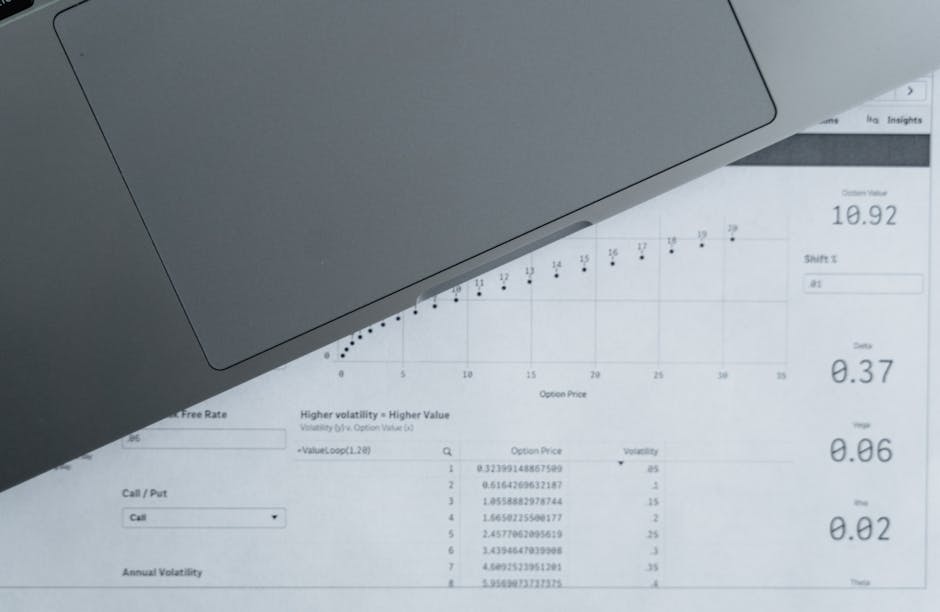
One of the most profound ways in which Intelligent Automation in Finance is impacting the industry is through enhanced data analysis capabilities. By leveraging advanced technologies, institutions like Goldman Sachs and J.P. Morgan are able to optimize their financial processes and improve decision-making. Intelligent Automation in Finance, for instance, is redefining reporting and financial planning by providing real-time insights and predictive analytics.
Unpacking Data-Driven Financial Insights
Data-driven decisions are at the heart of modern corporate and institutional banking. Trading desks and treasury departments benefit from granular data analysis offered by automation tools, allowing them to optimize liquidity management and asset allocation. Basel III compliance and real-time risk management also gain enhancements through these data-driven processes.
Advanced analytics tools used in Intelligent Automation collect and process vast amounts of data to generate valuable insights. Through methods such as Value at Risk (VaR) calculations and predictive modeling, financial institutions are able to assess risk more accurately, guiding strategic investment decisions.
Impact on Regulatory Compliance
Advanced KYC and AML Solutions
Implementing Intelligent Automation can significantly streamline regulatory compliance in banking. KYC Automation and AML tools ensure institutions maintain secure and compliant operations, upholding legal standards while reducing operational risks.
- Improved detection of fraudulent activities
- Enhanced customer profiling and risk assessment
Such technologies also aid in regulatory reporting, automating the generation and submission of necessary documentation, thus reducing the burden on compliance departments.
Technological Integration
The integration of automation into existing banking systems was initially challenged by legacy systems but is now being addressed through comprehensive automated solution development. This ensures seamless operation and enhances existing processes without major disruptions.
Conclusion
As the financial industry continues to evolve, the strategic integration of Intelligent Automation becomes imperative for future-proofing operations. The culmination of data-driven insights, regulatory optimization, and technology integration forms the backbone of modern finance strategies. Institutions aiming to stay ahead must explore opportunities for growth through technological advancements and compliance solutions like Generative AI for Compliance.
Comments
Post a Comment